

A Guide to Safeguarding Your Family’s Medical Information
Preparedness Saves Lives
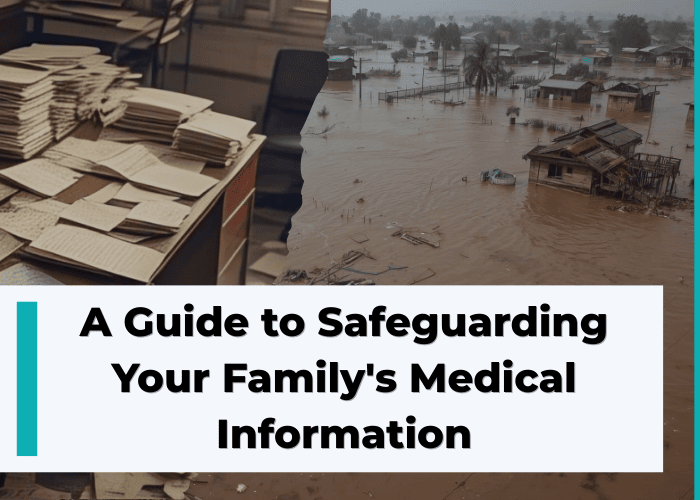
In the aftermath of Cyclone Ditwah, we’ve witnessed countless stories of courage and survival. But we’ve also seen a challenge that many families weren’t prepared for: the loss of critical medical information at the moment it was needed most.
A doctor treating an unconscious patient with no knowledge of their allergies. A diabetic unable to recall their exact medication. A child needing emergency care with no vaccination records. These aren’t hypothetical scenarios – they happened in relief centers across Sri Lanka over the past weeks.
The good news? These situations are preventable. With the right preparation, you can ensure that your family’s medical information is always accessible, no matter what happens.
This guide will walk you through exactly what information to keep ready, how to organize it, and how to make sure it’s there when you need it most.
Why Medical Information Matters in Emergencies
In a crisis, every second counts. When emergency responders or doctors can quickly access your medical history, they can:
- Avoid prescribing medications you’re allergic to
- Continue critical treatments without interruption
- Make informed decisions about emergency procedures
- Contact the right specialists for your condition
- Prevent dangerous drug interactions
Without this information, healthcare providers must start from scratch, often in chaotic conditions, which can delay treatment and put lives at risk.
Essential Medical Information Every Family Should Have Ready For Each Family Member, Keep:
Basic Personal Information
- Full name and date of birth
- National Identity Card number
- Blood type
- Emergency contact numbers (at least two people)
Medical Conditions
- Chronic illnesses (diabetes, hypertension, asthma, heart disease, etc.)
- Past major illnesses or hospitalizations
- Mental health conditions requiring ongoing treatment
- Pregnancy status and due date (if applicable)
Medications
- Name of each medication (both brand and generic names)
- Dosage and frequency
- Prescribing doctor’s name and contact
Allergies and Reactions
- Drug allergies (be specific about the reaction)
- Food allergies
- Environmental allergies that require emergency medication
- Any past adverse reactions to treatments
Vaccination Records
- All routine vaccinations (especially for children)
- Any special vaccinations (tetanus boosters, rabies, etc.)
- Dates of administration
Surgical History
- All past surgeries and procedures
- Dates performed
- Any complications
Medical Devices and Implants
- Pacemakers, insulin pumps, hearing aids
- Prosthetics or mobility aids
- Any metal implants (important for MRI scans)
Insurance and Healthcare Provider Information
- Health insurance policy numbers
- Primary care physician contact
- Specialist doctors’ contacts
Special Considerations
- Advance directives or living wills (for adults)
- Guardianship documents (for children or elderly)
- Power of attorney for healthcare decisions
- Religious or cultural considerations for medical care
How to Organize This Information Create a Family Health Folder
Physical Folder:
- Use a waterproof document holder or zip-lock bags
- Keep one copy at home in your emergency kit
- Keep another copy with a trusted relative or friend outside your immediate area
- Update it every six months
Digital Backup:
- Create a document or spreadsheet with all information
- Save it to multiple locations: email it to yourself, save to cloud storage, keep on a USB drive
- Consider using a dedicated health records app or platform
- Password-protect sensitive files
Digital Solutions: The Modern Approach
While physical records are important, digital solutions offer significant advantages:
Benefits of Digital Health Records:
- Accessible from anywhere with internet connection
- Can’t be physically destroyed by floods or fire
- Easy to share with multiple healthcare providers
- Can include photos of prescriptions, reports, and test results
- Automatically backed up in multiple locations
- Can be updated instantly
What to Look For in Digital Solutions:
- Secure, encrypted storage
- Offline access capability
- Easy sharing options for emergencies
- Space for documents and images
- Regular automatic backups
Whether you use a dedicated health records platform or simply maintain organized digital files, the key is having information that’s accessible when you need it.
What to Do Right Now
Don’t wait for the next disaster. Start today:
- This week: Gather all current prescriptions and medical documents
- This month: Create your family health folder and emergency medical cards
- This quarter: Set up digital backups and establish an updating routine
- Ongoing: Keep everything current and review regularly
A Final Word on Preparedness
The past weeks have taught us that disasters don’t announce themselves. They arrive suddenly, and we must rely on the preparations we’ve made in calmer times.
Safeguarding your family’s medical information isn’t about fear—it’s about love. It’s about ensuring that in your family’s most vulnerable moments, the people trying to help you have every tool they need to save lives.
Your health information is as important as your emergency supplies, your evacuation plan, and your insurance documents. It deserves the same attention and care.
Start today. Update regularly. Share with family members. And know that you’ve taken one more crucial step toward protecting those you love.
Have questions about organizing your family’s medical information? Need help getting started? Reach out to us at info@healthsync.lk We’re here to help.
Remember: The best time to prepare was yesterday. The second-best time is today.
#PreparednessMatters #FamilyHealth #EmergencyPreparedness #SriLanka #HealthSync