

Why Digital Health Records Matter: The Facts
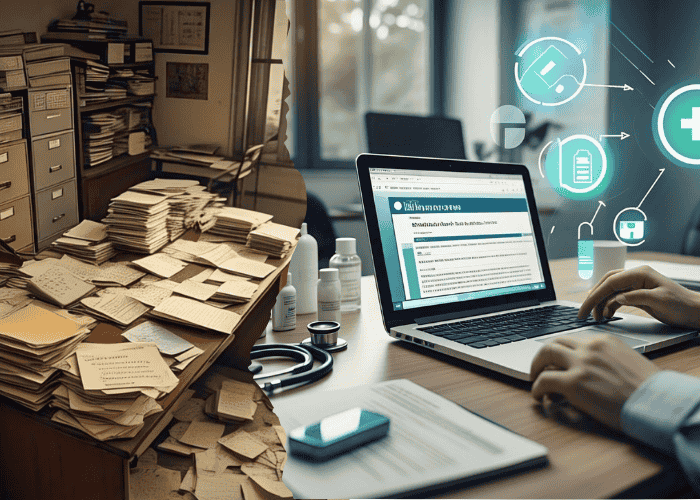
Maintaining health records digitally is no longer just a trend -it’s a necessity for modern healthcare. Here’s why making the switch from paper to digital records is crucial for both patients and providers:
1. Instant Access Saves Lives
Digital health records provide healthcare professionals with immediate access to a patient’s complete medical history, including allergies, medications, and past treatments. In emergencies, this rapid access can be life-saving, ensuring the right care is delivered without delay.
2. Fewer Errors, Safer Care
Electronic records reduce the risk of medication errors and misdiagnoses by providing accurate, up-to-date information and automated alerts for allergies or drug interactions. Studies show that EHRs significantly decrease medical mistakes, which cost the industry billions each year.
3. Better Coordination and Efficiency
Digital records allow seamless sharing of information among doctors, specialists, and hospitals. This means no more repeated tests or lost paperwork—care is more coordinated, efficient, and cost-effective.
4. Enhanced Patient Engagement
Patients can access their own records, track their health, and communicate securely with providers. This transparency empowers individuals to take an active role in their care, which is especially important for managing chronic conditions.
5. Improved Data Security
Unlike paper files, digital health records are encrypted and protected by strict security measures. Only authorized personnel can access them, reducing the risk of data breaches or loss.
6. Organized and Always Available
No more bulky folders or forgotten documents—digital records keep everything organized and accessible from anywhere, whether you’re at home, at work, or traveling abroad.
7. Lower Costs and Less Paperwork
Digital systems streamline billing, scheduling, and record-keeping, cutting down on administrative costs and time spent on paperwork. This efficiency benefits both healthcare providers and patients.
In summary:
Digital health records improve safety, efficiency, and patient engagement, while reducing errors and costs. They are the backbone of modern, effective healthcare—and the best way to ensure your medical information is accurate, secure, and always at your fingertips.